

Senior professionals often outgrow their roles. It could be that their capabilities and strengths have evolved. Or they are not challenged enough. Yet, most of them tend to stay longer in their positions. Not because they do not have the desire or ambition to explore more. But because they are unclear about their future. Or perhaps afraid of failure and giving up their current comfort and stature.
Also, the idea of outgrowing a role can be deeply personal. A leader may feel stuck, but continue to perform the daily work routines and meetings without any significant change. Besides, the answer is not always as simple as quitting or daring to start all over again. In fact, the internal disturbance stems from confusion, fear and a feeling of stagnation.
Senior leaders who are in such a dilemma often need confidential support. A life clarity coach is a useful resource who can help leaders find clarity and make sense of their emotions and wants.
Reasons For Senior Leaders To Stay Too Long In Their Roles
1. Success
Successful senior leaders are already comfortable and secure in their current role. They are validated and appreciated by the organisation and society. Income, lifestyle, authority and influence are predictable and respected. Ironically, success becomes a major reason why senior professionals continue in their positions. Even when they feel disengaged or languished.
2. Identity Crisis
Senior professionals spend several years building and nurturing their role in an organisation. Their title often becomes their identity. Leaving the position may feel like letting go of a part of their personality. However, a clarity coach can greatly help overcome this challenge. The coach can guide the leader to differentiate between their company role and who they are as a person.
3. Fear of Starting Again
A senior leader makes a mark by going through the grind and learning from years of experience. The established role is a testimony to his/her hard work. But when the role doesn’t excite anymore and plateaus, the leader is often afraid to step back. Not necessarily because they have no plans, ideas or ambitions. But maybe because of the fear of starting afresh. From learning a new technology to building a client base or working in a new industry or environment. The leader is anxious and fearful of not being an expert, but probably a novice again.
Quick Read – Clear Clutter for Clarity and Creativity
4. Being Too Competent
Senior leaders are pros at their own jobs. They are so good that they leave little room for improvement or experimentation. This can lead to two outcomes. Being exceptionally good leads to a feeling of stagnation. There are no major challenges or surprises because the leader usually knows it all. On the other hand, leaders may start believing that they alone possess the skills that are required in their current role. And that they can add value only in the current work system.
A life clarity coach can step in here. To help leaders identify their different strengths and priorities, while finding ways to delegate and transfer skills to lower management.
What Next?
This is one of the most common reasons why senior professionals stay too long in their roles. A leader may be clear that they have outgrown a role, but still be confused about what to do in the future. Some may stall by hoping for the right opportunity to come along. But rarely does it happen, especially when the leader is not clear on what that opportunity might be.
The Role of a Life Clarity Coach
Senior leaders are proficient and experienced in their roles. But looking at the different reasons why they stay longer in their positions, it is clear that sometimes they may also need external help and guidance. A life clarity coach can help in decoding and analysing why a leader is outgrowing the role. Why is the leader willing to continue despite the stagnation, and what can be done to overcome it?
Through deeper questions and conversations, the coach helps leaders understand the core problem. From distinguishing facts, fears and priorities to discussing possible future roles, the coach can help senior leaders find clarity.
Outgrowing a role does not mean failure or quitting. On the contrary, it means that the leader is ready for a shift in mindset and professional space. However, the challenge is in letting go and finding clarity on what truly matters. Once that happens, senior leaders can find it much easier to expand their boundaries and alignment in new positions in life and their careers.
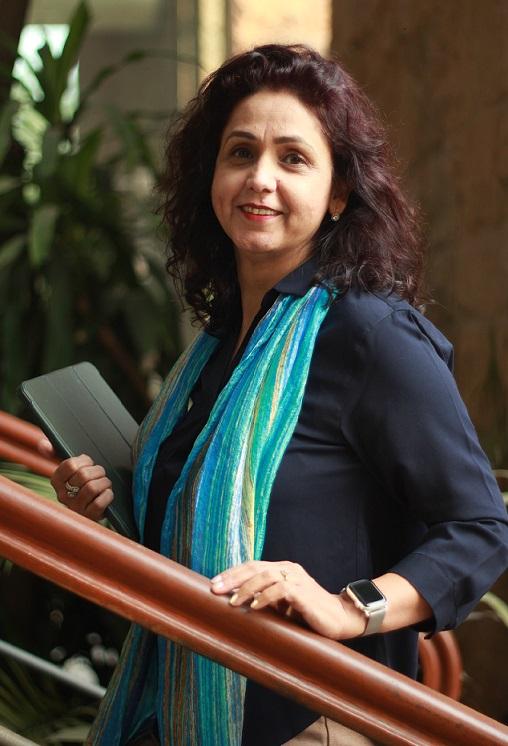
Dolveen is a certified clarity coach who helps you spot the blind spots and use your innate intelligence with psychology and NLP. She offers breakthrough clarity coaching sessions that help you make confident decisions about your life and career keeping your goals in mind. Dolveen also runs group programs on mental well-being, life skills and soft skills that help you explore yourself, make better decisions and choose your life and career path effectively.